

An innovative approach to patient care
… to optimize therapies over the long term to treat patients as little as possible but as much as necessary at the right time.
A learning system
… to optimize therapies over the long term to treat patients as little as possible but as much as necessary at the right time.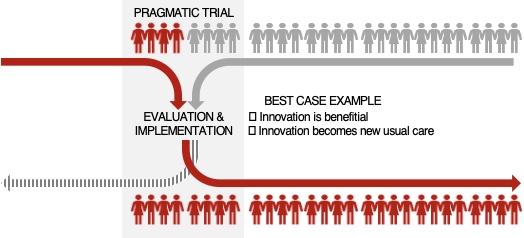
Pragmatic trials
… merging scientific rigor of randomized trials with the advantages of real-world data to inform decision-making in routine care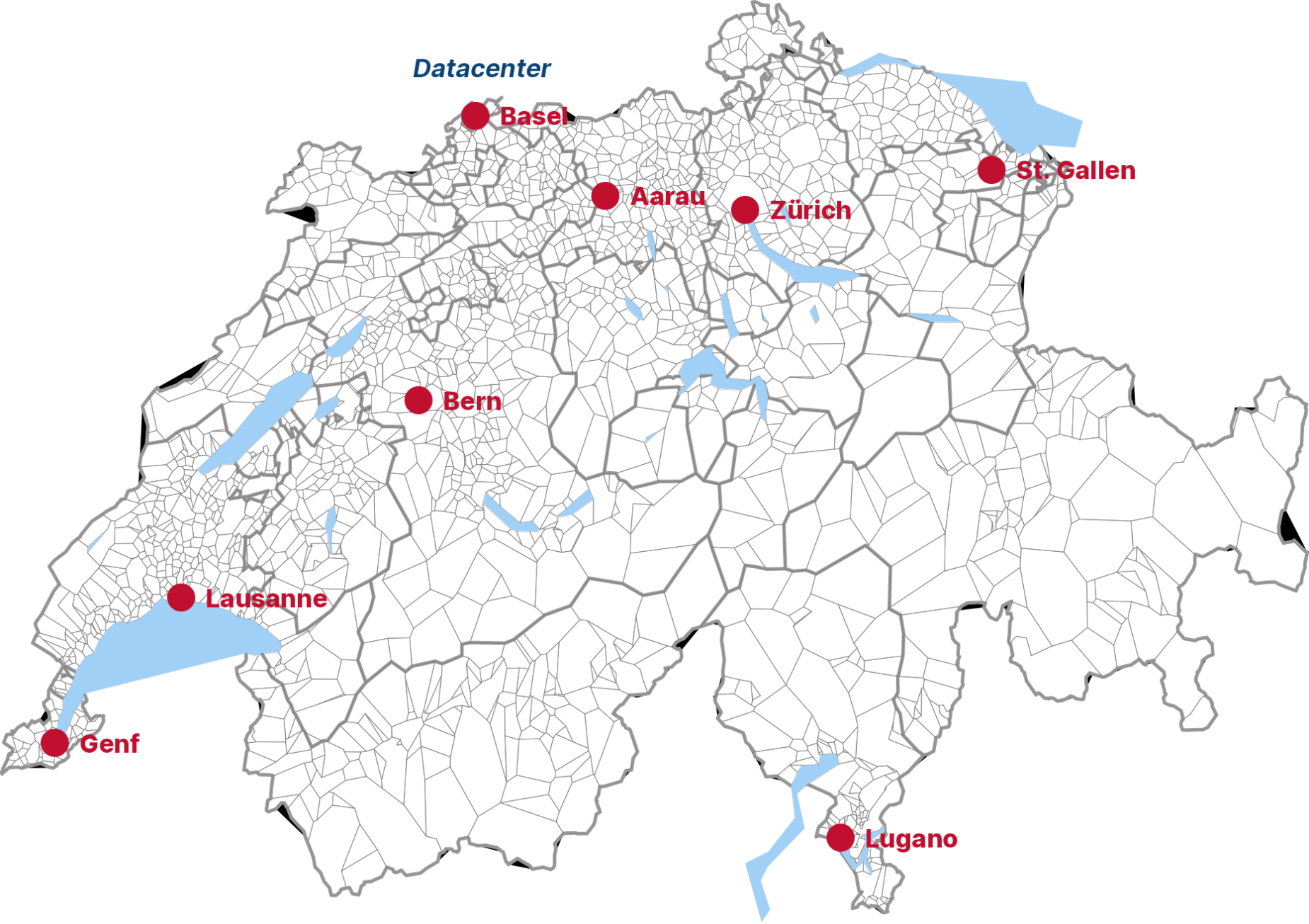
Swiss MS cohort
… offers a unique opportunity to establish a platform trial to continuously assess multiple new interventionsMore information
Multiple sclerosis (MS) is a chronic and disabling disease where the immune system attacks the nervous system. The most common type is relapsing-remitting MS (RRMS), which is managed with disease modifying therapies. Such therapies reduce the inflammatory activity by weakening the immune system. However, such weakening may cause undesirable side effects.
It is therefore important to treat person with MS as little as possible but as much as necessary at the right time. Unfortunately, “tailor-made” treatment strategies for each individual do not currently exist. This could be achieved with regular measurements of nerve components in the blood, so-called neurofilaments. Neurofilaments indicate very precisely the damage to nerve cells caused by the disease and thus indicating disease activity. Intensive disease montioring of neurofilaments may be instrumental in personalized treatment adaptations.
Protocol avaible as a publication on Trials

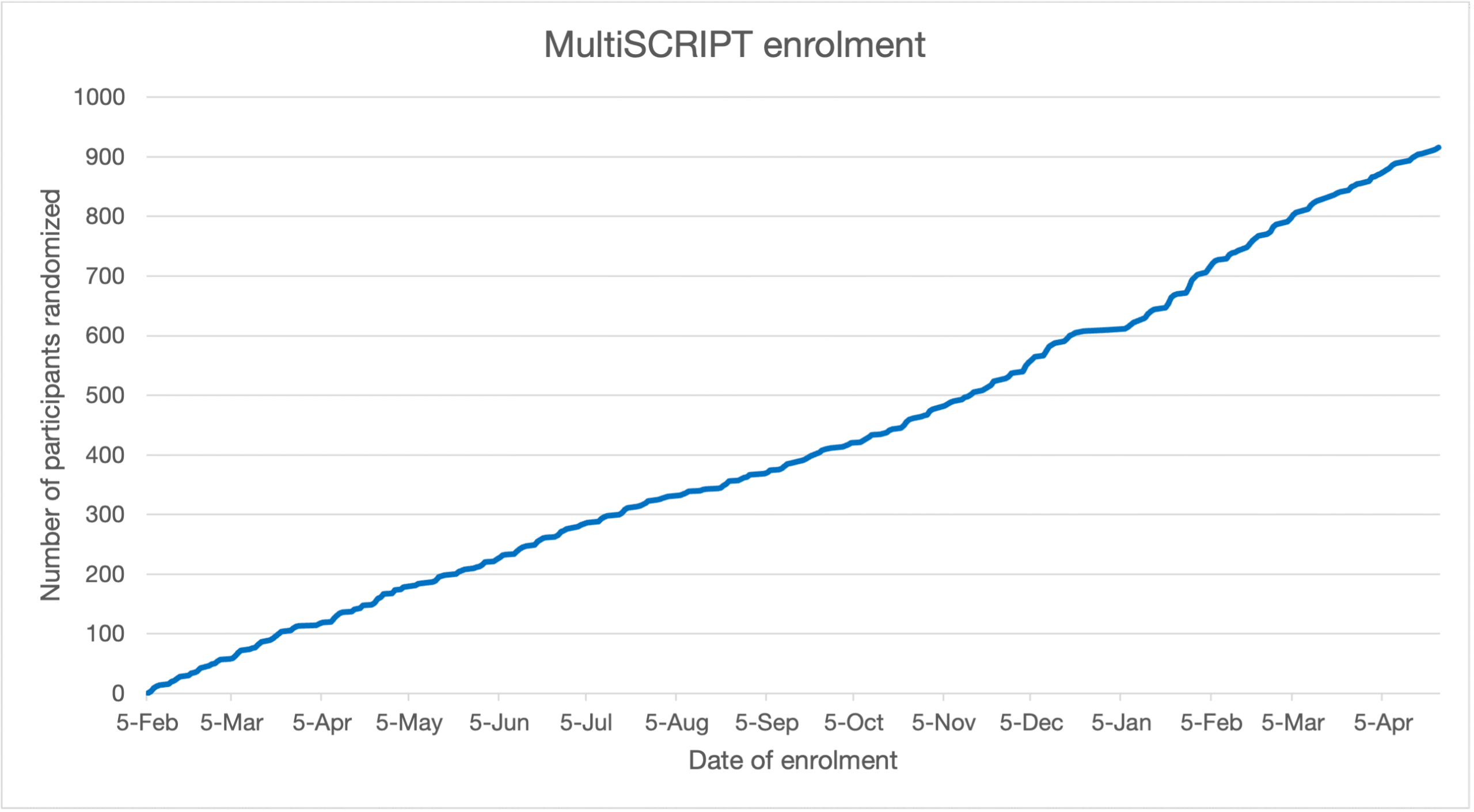
recruiting
Design: pragmatic randomized trial
Participants: SMSC participants with relapsing-remitting MS
Planned sample size: 915 participants
Setting: SMSC usual care
Comparison: 6-monthly biomarker monitoring strategy using sNfL versus SMSC usual care
Primary outcomes: 1) Evidence of disease activity and 2) Quality of life
Duration: minimum 1.5 years to maximum 3.5 years for participants
Sponsor: University Hospital Basel
Funder: Swiss National Science Foundation (grant number-205806)
Registration: NCT06095271
Recruiting
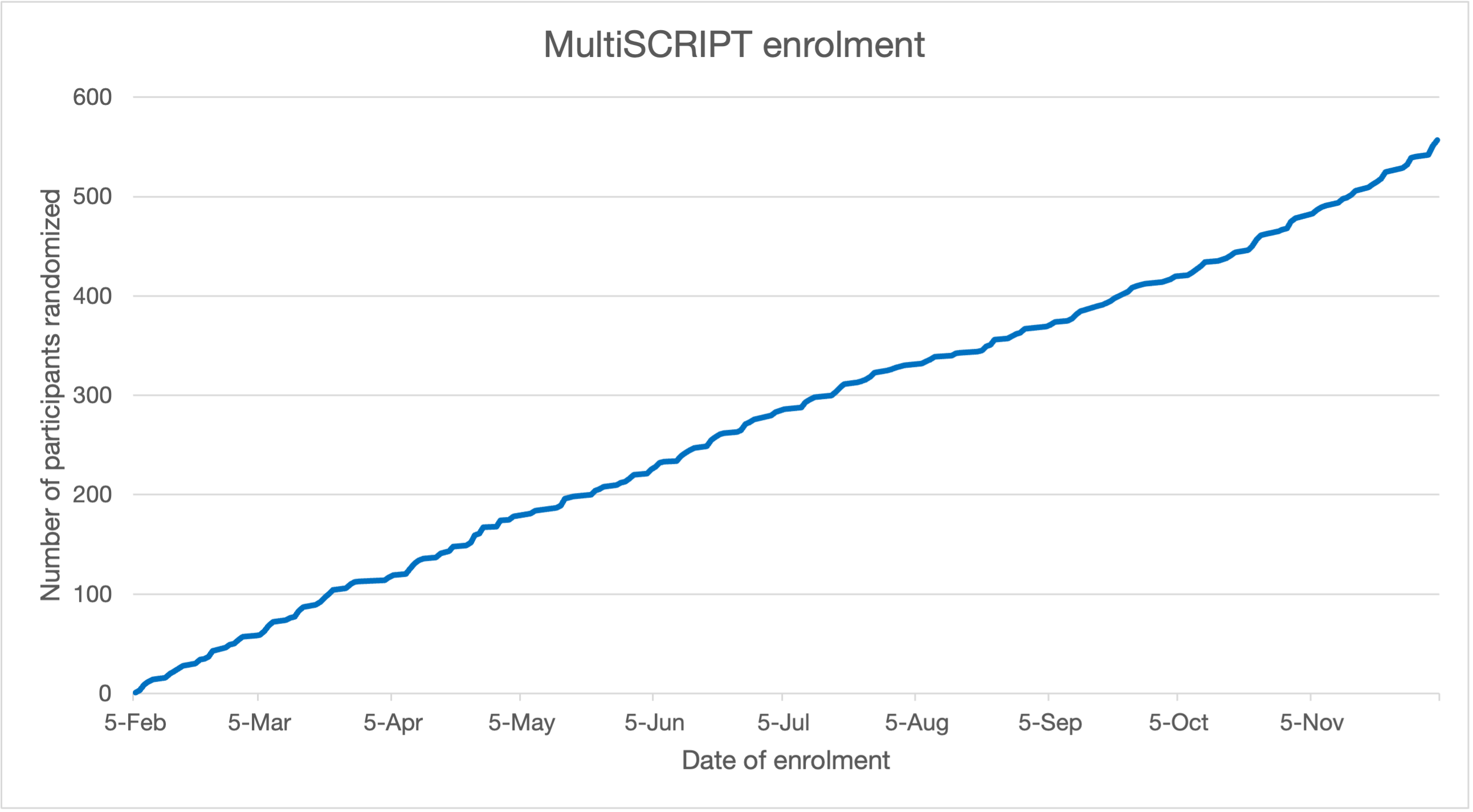
TRIAL STATUS
ACTIVE SITES
Participants
2) Quality of life
- Cycle 1 -
intensive disease monitoring using a neurofilament biomarker
It is therefore important to treat person with MS as little as possible but as much as necessary at the right time. Unfortunately, “tailor-made” treatment strategies for each individual do not currently exist. This could be achieved with regular measurements of nerve components in the blood, so-called neurofilaments. Neurofilaments indicate very precisely the damage to nerve cells caused by the disease and thus indicating disease activity. Intensive disease montioring of neurofilaments may be instrumental in personalized treatment adaptations.


